



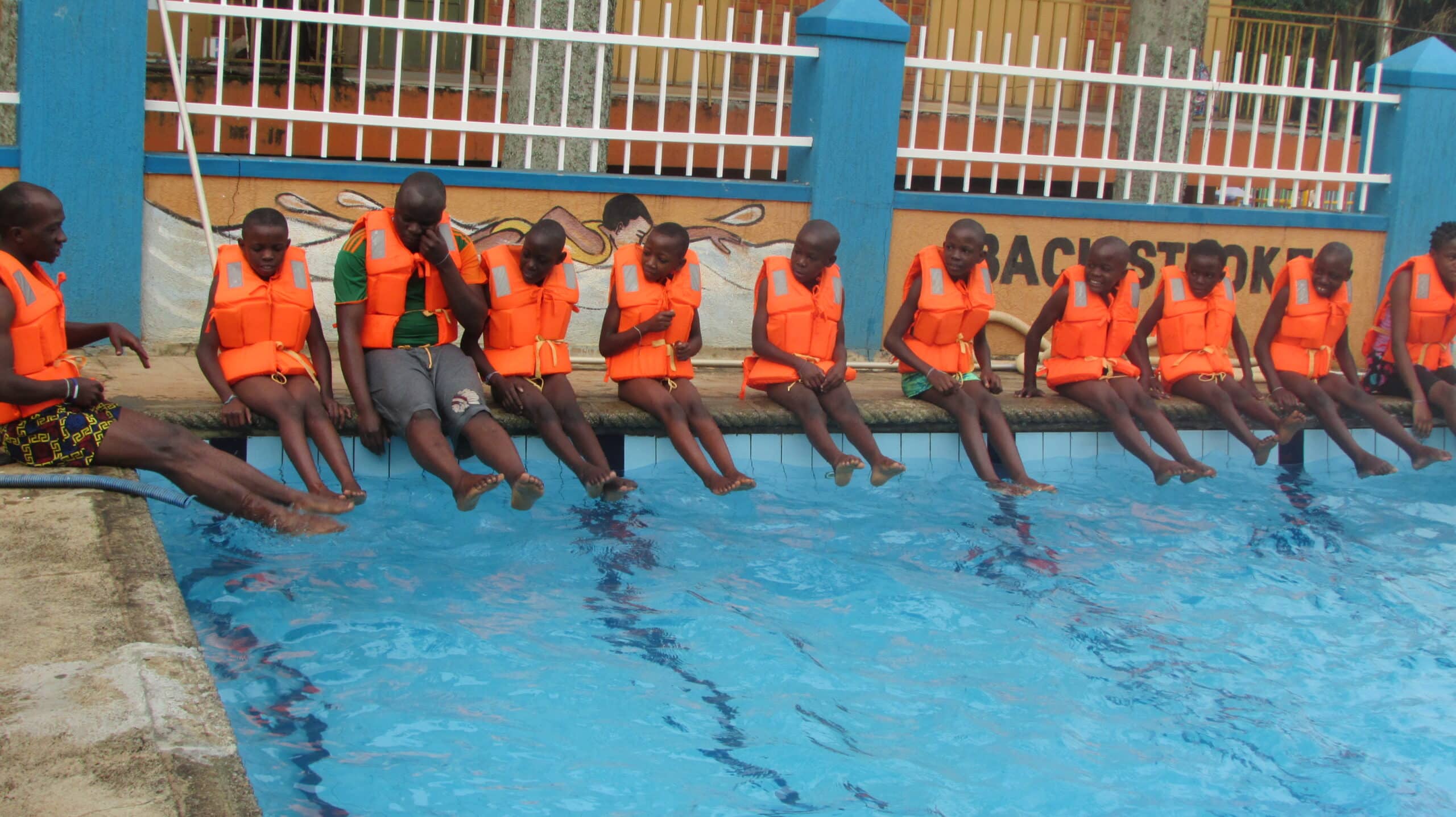
When adolescents living with HIV arrive at Sanyuka Camp in Uganda, many carry a burden of isolation. At home, they might be the only one taking daily medication, hiding pills in a pocket or waiting until no one is watching. Missing a dose isn’t only a health risk, it can mean exposing a secret they’ve worked hard to protect.
At school, they navigate each day carefully, finding moments to take their medication out of sight — if at all, avoiding situations where someone might notice and start asking questions.
Over time, that silence becomes part of how they move through the world: careful, guarded, and alone.
But at camp, everything changes.
A new mixed-methods study published by researchers from Uganda, Ireland, Canada, and the United States examined what happens when these young people come together for a 3-5 day overnight camp experience. The findings validate what camp staff and participants have long known: something transformative happens when young people meet peers who share their journey.
The study compared viral load outcomes between campers and matched non-campers over two years. While clinical outcomes didn’t differ significantly between groups, qualitative interviews with 33 people revealed powerful psychosocial benefits:
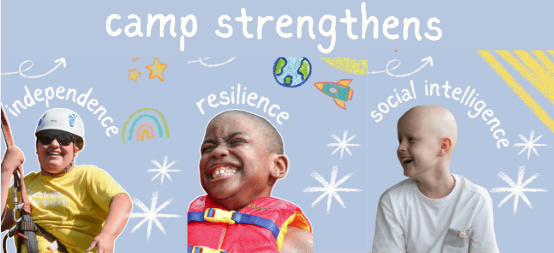
- Shared Identity: Campers found “colleagues” who understood their experience, creating motivation and hope.
- Recognition and Worth: Staff practices of recognizing campers helped young people feel valued, sometimes for the first time.
- Ownership of Health: Camp shifted attitudes from “my mother reminds me” to “I am responsible for my own ARV drugs.”
- Future Orientation: Conversations connected today’s medication adherence to tomorrow’s career dreams.

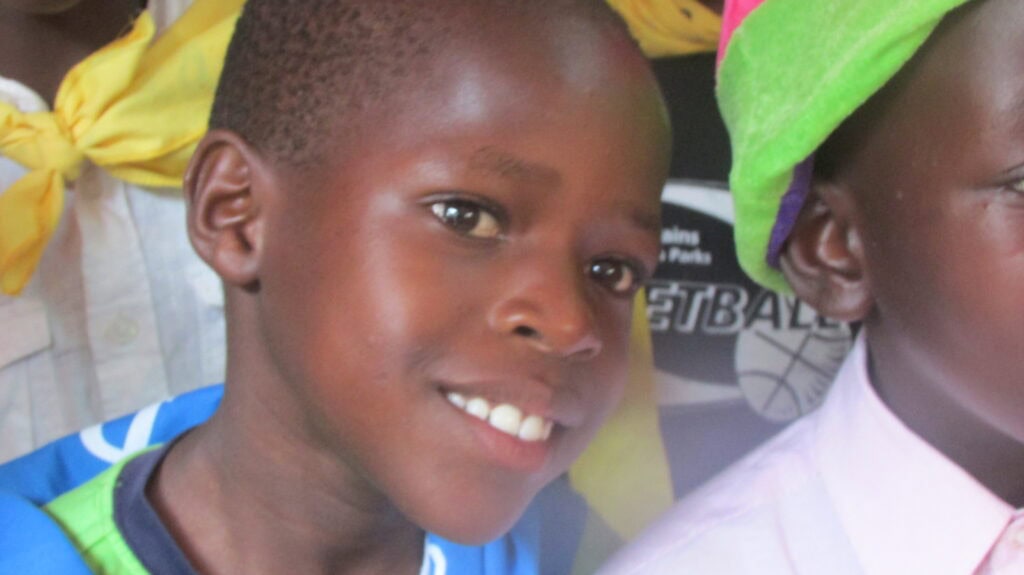
The research also identified specific camp activities that promoted medication adherence: group pill-taking rituals, supervision by caring healthcare workers, and interactive educational activities including role plays, storytelling, and songs. These structured approaches helped young people develop habits and attitudes that could extend beyond the camp setting.
Perhaps most telling: 100% of adolescent participants reported positive experiences and said they would recommend camp to a friend or sibling.
The study suggests that while brief overnight interventions might not immediately change observable viral load outcomes, they create psychosocial foundations of peer support, self-efficacy, and positive attitudes that can influence long-term health behaviors.
For the 1.5 million adolescents living with HIV worldwide, these camp experiences offer something medical appointments alone cannot provide: community, belonging, and the confidence to imagine a future beyond their diagnosis.